
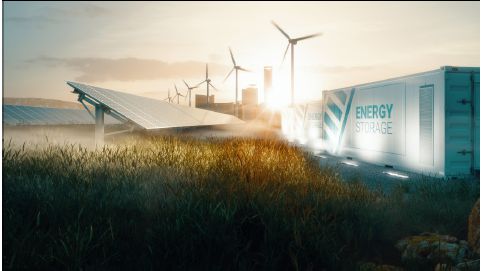
How Maine's legacy pulp and paper industry is transforming through renewable energy—solar, hydro, and battery storage—to power a new generation of eco-industrial manufacturing.
Background on Maine's Pulp, Paper and Energy Landscape
Maine has deep roots in pulp and paper—a legacy industry built on abundant forests and water power. Historically these mills have been highly energy-intensive and often polluting, relying on coal, biomass, or tire-derived fuels to drive steam turbines. Recent studies highlight that some Maine mills remain among the dirtiest in the U.S., underscoring urgent needs for energy transformation. At the same time, Maine's Renewable Portfolio Standard has spurred over $1 billion in cumulative clean energy investment and job creation since 2008.
Energy Challenges for Startups and Small-Scale Manufacturers
Innovative startups face sticker shock when utility costs spike. As noted in Massachusetts, rates have doubled or tripled in recent periods, posing major barriers to locating or scaling manufacturing sites. Under-connected regions lack energy infrastructure and economic support compared to hubs like Boston, reinforcing the need to carefully engineer site and energy strategy.
Renewable Energy Options in the New England Industrial Context
Hydropower in Maine's Mills: Most legacy mills in Maine are hydro-powered—built beside rivers to leverage behind-the-meter electricity. While renewable, hydro can impact local ecosystems such as fish migration. However, proximity to hydropower provides low-cost, reliable energy for production lines and is often the baseline for eco-industrial planning.
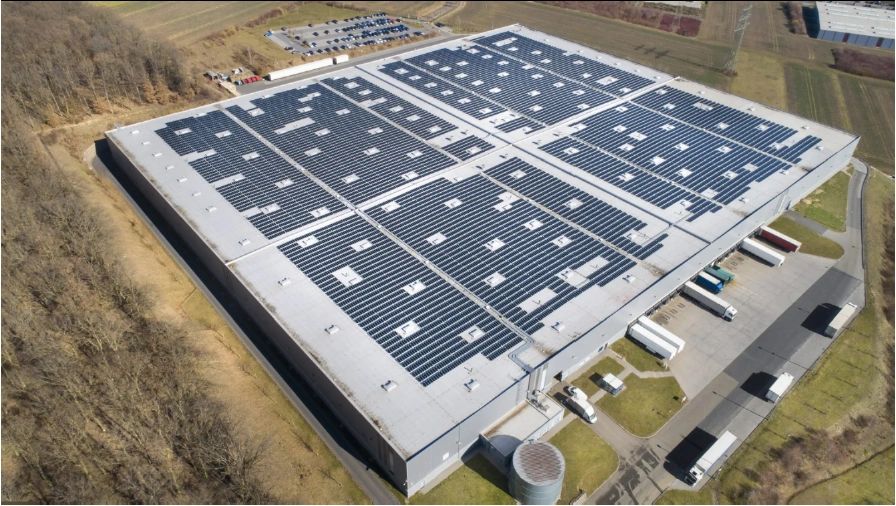
Solar Power for Manufacturing Facilities: Rooftop solar PV systems can dramatically reduce electricity bills and hedge against volatile rates. Industrial solar installations on factory roofs deliver fixed-cost energy, lowering reliance on grid power and supporting clean operations. For small manufacturers, solar integration into leased or owned buildings is an attractive strategy.
Energy Storage Solutions: Battery Energy Storage Systems (BESS)—such as iron-air batteries being deployed in Maine ex-paper mill sites—offer grid resiliency, peak-shaving, and self-sufficiency. Utility-scale and behind-the-meter storage can stabilize intermittent solar and ensure process continuity.
Integrating Materials and Energy in Regenerative Design
Companies like P3RD Earth plan to use cellulose microfibers, naturally compostable or fiber-stream recyclable materials, to replace harmful plastics. This supports sustainable sourcing, minimized toxicity, and aligned energy planning across material lifecycles. Emerging technologies, such as laser-based industrial drying being explored by Worcester Polytechnic Institute, aim to dramatically reduce energy use and CO₂ emissions in pulp production.
Vision: The Ideal Eco-Industrial Hub
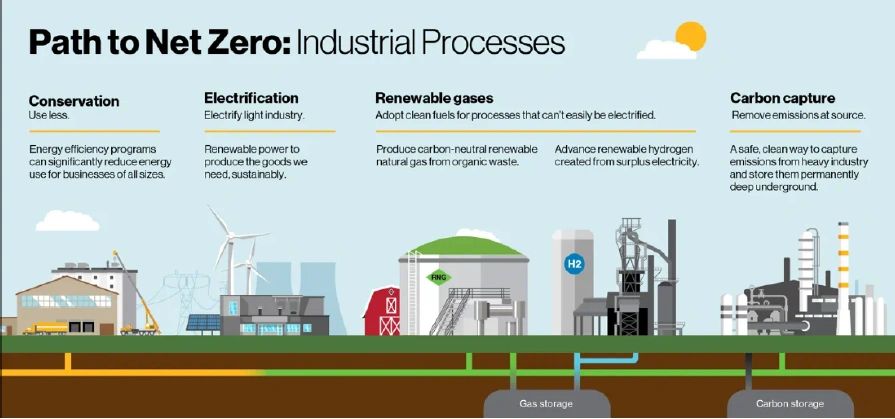
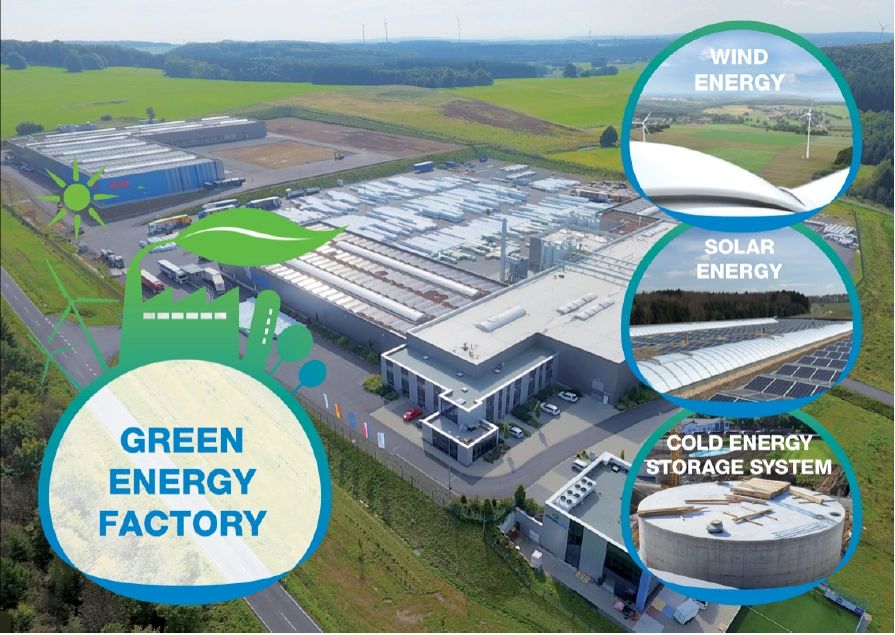
The dream is a plant functioning as both a production site and community hub—including solar arrays, behind-the-meter hydropower where available, battery buffers, and energy-efficient machinery. Energy from solar or hydro powers manufacturing; surplus is shared with the community. This model aligns energy planning with human-centered design, economic value, and ecological stewardship.
Strategies for Balancing Sustainability with Startup Costs
Startups should think beyond cost-cutting. Energy efficiency savings support sustainability and long-term resiliency. Deliberate choices—choosing recyclable materials, solar-ready buildings, compact roll-form packaging technology—fuel abundance planning rather than just minimal sustainability. That mindset attracts investors, partners, and customers looking for regenerative impact.
Conclusion
By centering energy planning—from renewable generation to low-impact materials to regenerative site design—new eco-industrial manufacturing can transform legacy infrastructure into community-strengthening pillars. Maine offers both challenges and opportunity: hydro assets, innovative grants, and a tradition of forest-based industry—but thoughtful design and abundance-minded choices will unlock a future where energy powers regeneration instead of depletion.